




Sexual desire is one of the most natural, human expressions of vitality. But libido doesn’t look the same for everyone. Some people feel desire rarely. Others feel desire frequently. Some experience waves of sexual energy. Others live with a steady hum of arousal or curiosity.
If you’ve ever asked yourself, “What is high libido?”, “What is considered a high libido?”, or “Why do I have more desire than others?”, you’re already doing the most important thing exploring your body with awareness instead of judgment.
Let’s explore with softness and clarity in the warm, human style your brand is known for.
What Is High Libido?
High libido simply means having a stronger, more frequent desire for sexual activity, pleasure, touch, or intimacy than your personal baseline or the average person around you.
It doesn’t mean:
- Something is wrong
- Something is “too much”
- You’re out of control
- You’re hypersexual
- You’re abnormal
High libido is just a higher than average capacity for sexual desire and what’s “high” varies from person to person.
For some people, high libido means daily desire.
For others, it means cycles of intense desire during certain points of the month.
For many, high libido shows up as strong body responsiveness to touch or arousal.
Your libido is personal.
Only you get to define what’s normal for you.
What Is Considered a High Libido?

There’s no clinical threshold.
“High libido” is defined by:
A frequent desire for sexual activity
Easily triggered arousal
Strong response to sensual touch or fantasy
Desire that comes more often than your peers or partner
A body that craves stimulation, connection, or release
High libido becomes a concern only when it feels compulsive, uncontrollable, or distressing but for most people, high libido is simply a natural expression of energy, hormones, or emotional vibrancy.
Signs of High Libido
Here are the most common physical and emotional signs.
You Think About Sex Often
Daily or frequent sexual thoughts do not automatically mean something is wrong.
This is just a sign of a responsive, active libido.
Touch Turns You On Easily
Light touch, kissing, cuddling, or sensual media may trigger fast arousal.
You Masturbate Regularly
Daily or multiple times per week self pleasure is normal for people with high libido.
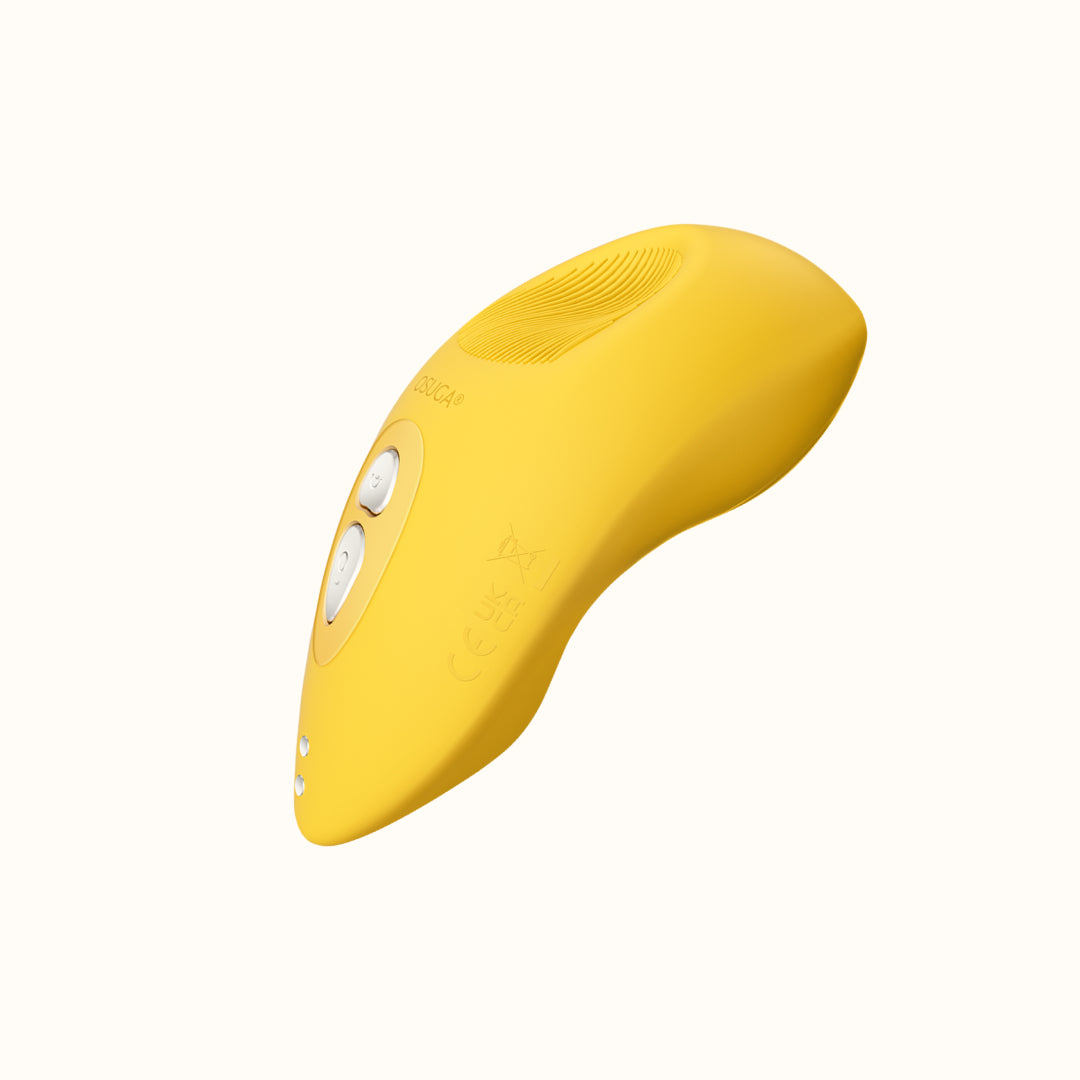
Tools like gentle vibrators or Clitoral sucking devices can help satisfy high sexual energy without overwhelming your nerves.
You Feel Aroused Even Without a Trigger
Some people wake up turned on.
Others feel waves of desire throughout the day.
Your Body Responds Quickly to Arousal
Examples:
- Lubrication increases easily
- Erections come quickly
- Nipples or skin become sensitive fast
- Clitoral or penile sensitivity heightens
You Crave Physical Intimacy
Not just sexual activity but touch:
- Kissing
- Skin to skin contact
- Cuddling
- Sensual massage
You Desire Sex More Frequently Than Your Partner
This doesn’t mean your libido is “too high.”
It simply means your bodies operate at different frequencies.
You Have Strong Fantasy or Imagination
Erotic creativity is a sign of healthy libido, not a problem.
Causes of High Libido
A high libido can be influenced by:
Hormones (Major Factor)
Hormonal peaks can increase desire, including:
- Ovulation
- Menstruation
- High estrogen phases
- High testosterone levels
- Pregnancy (especially second trimester)
- Post menopause hormone therapies
Hormones influence sexual energy more than most people realize.
Age & Life Stage
Some people experience high libido during:
- Teens and early 20s
- Late 20s and early 30s
- After becoming comfortable with their sexuality
- After pregnancy
- After major emotional healing
- During spiritual or kundalini awakenings
Sexuality changes with age often for the better.
Emotional Connection & Intimacy

Feeling safe and emotionally fulfilled boosts desire.
Lower Stress Levels
Stress kills libido.
When stress is low or life feels aligned, libido often soars.
Strong Creativity or Sensual Energy
Sexual energy and creative energy come from the same source.
Dancers, artists, and passionate thinkers often experience high libido.
Physical Health
Regular exercise, good blood flow, and cardiovascular health support sexual desire.
Healthy Masturbation Habits
Exploring pleasure regularly strengthens sexual awareness.
Trauma Healing or Somatic Work
As people heal emotionally or physically, their libido may rise unexpectedly a sign of regained vitality.
Medications or Supplements
Some medications increase sexual desire, including:
- Testosterone therapy
- Certain antidepressants
- Mood stabilizers
- Supplements that impact blood flow
Benefits of High Libido
High libido is not a problem it can be a gift.
Better mood
Better sleep
Stronger creativity
Higher vitality
Emotional connection
Stronger orgasms
Better pelvic health
Stress relief
More confidence
Your desire is a resource, not a flaw.
When High Libido Might Feel Challenging?
Even though high libido is normal, it can feel overwhelming if:
- Your partner’s libido is much lower
- You feel distracted by sexual thoughts
- You struggle to “channel” the energy
- You feel restless without release
- You experience guilt around desire
- You lack outlets for sexual expression
- You’re in a dry spell or single
These are emotional challenges not biological problems.
How to Manage High Libido (If It Feels Intense)

Here are healthy, grounding ways to handle strong sexual energy.
Channel Energy Into Creativity
Sexual energy = creative fire.
Try:
- Writing
- Dancing
- Music
- Sewing
- Designing
- Sports
- Artistic outlets
Transmutation helps direct sexual energy into something nourishing.
Practice Regular Self Pleasure
Masturbation is healthy, grounding, and emotionally regulating.
You can use:
- Hands
- Water pressure
- Gentle external toys
- Air pulse Clitoral sucking stimulation for focused release
It’s a safe, body loving outlet for high libido.
Explore Breathwork
Breath helps move sexual energy through the body instead of letting it pool in the pelvis.
Try:
- Deep belly breaths
- Slow exhale focus
- Pelvic floor relaxation breathing
Build Sensual Rituals
Instead of fighting your libido, embrace it softly.
Try:
- Sensual showers
- Body lotion rituals
- Emotional intimacy practices
- Soft touch self connection
Communicate With Partners
If you’re in a relationship:
- Share your needs
- Create intimacy schedules
- Explore non sexual sensuality
- Find middle ground
Healthy communication prevents resentment.
Practice Mindfulness During Arousal
When desire feels overwhelming, pause and ground yourself:
- Place a hand on your heart
- Breathe slowly
- Notice where the energy sits
- Don’t judge it
- Let it soften
Awareness transforms overwhelm into power.
Move Your Body
Sexual energy is physical.
Movement diffuses intensity.
Try:
- Yoga
- Dancing
- Running
- Pelvic circles
- Stretching
How to Boost Libido (If You Want Even More Sexual Vitality)
Some people want more sexual energy and that’s valid too.
Here are natural libido boosting methods.
Stimulate the Clitoris Regularly
Frequent external touch keeps nerve pathways active.
Tools like soft suction or Clitoral sucking devices enhance sensitivity and help sustain libido over time.
Increase Pelvic Blood Flow
Blood flow = desire.
Try:
- Squats
- Hip bridges
- Cycling
- Kegel exercises
- Warm baths
Reduce Stress Hormones
Cortisol suppresses libido.
Use:
- Mindfulness
- Sleep
- Therapy
- Herbal teas
- Grounding techniques
Explore Your Fantasies Safely
Whether through:
- Erotica
- Imagination
- Sensual content
- Toys
- Roleplay
Fantasy supports libido.
Build Emotional Intimacy
A safe emotional environment fuels sexual energy naturally.
Eat Libido Supporting Foods
Examples:
- Dark chocolate
- Oysters
- Berries
- Almonds
- Watermelon
- Avocado
Improve Hormonal Balance
Hormones are a major libido regulator.
Methods include:
- Enough protein
- Less sugar
- Stress reduction
- Regular orgasm
- Movement
- Sleep
- Hydration
High Libido in Women vs. Men
Women
High libido may show as:
- Strong clitoral sensitivity
- Frequent arousal waves
- Desire for self touch
- Emotional craving for intimacy
- Increased lubrication
- Hormonal cycling patterns
Men
High libido may show as:
- Frequent erections
- Daily masturbation
- Strong physical arousal
- Desire without emotional trigger
- Fast arousal response
- Energy spikes
Neither version is superior both are natural expressions of sexual vitality.
When to Seek Support?
High libido is usually healthy, but you may want support if:
- Desire feels uncontrollable
- Arousal interrupts daily life
- You feel distress about your libido
- Desire causes relationship conflict
- You use sex to cope with trauma or anxiety
- You cannot focus without release
These situations don’t make you “wrong.”
They just mean your body may need emotional or hormonal balance support.
Frequently Asked Questions
What is high libido?
A higher than average or personally elevated desire for sex, touch, or pleasure.
What is considered high libido?
Anything above your normal baseline or more frequent than your peers but without distress.
Why is my libido so high?
Hormones, health, emotional connection, creativity, low stress, or natural body variation.
Is high libido bad?
No. It’s normal unless it causes distress or feels compulsive.
How can I manage high libido?
Self pleasure, movement, breathwork, creativity, communication, grounding.
How can I boost libido safely?
Through sensual practices, hormones, emotional connection, and gentle stimulation such as Clitoral sucking for external pleasure.
Does libido change with age?
Yes. Libido rises, falls, and evolves through life all normal.
Final Thoughts
High libido is simply your body speaking to you.
It says:
- “I’m alive.”
- “I’m sensitive.”
- “I’m full of energy.”
- “I want connection, release, or expression.”
Your sexual desire is a form of vitality.
Treat it with gentleness, curiosity, and appreciation.
And whether you want to embrace your high libido, channel it, or balance it, your pleasure journey is completely personal and completely valid.









Leave a comment